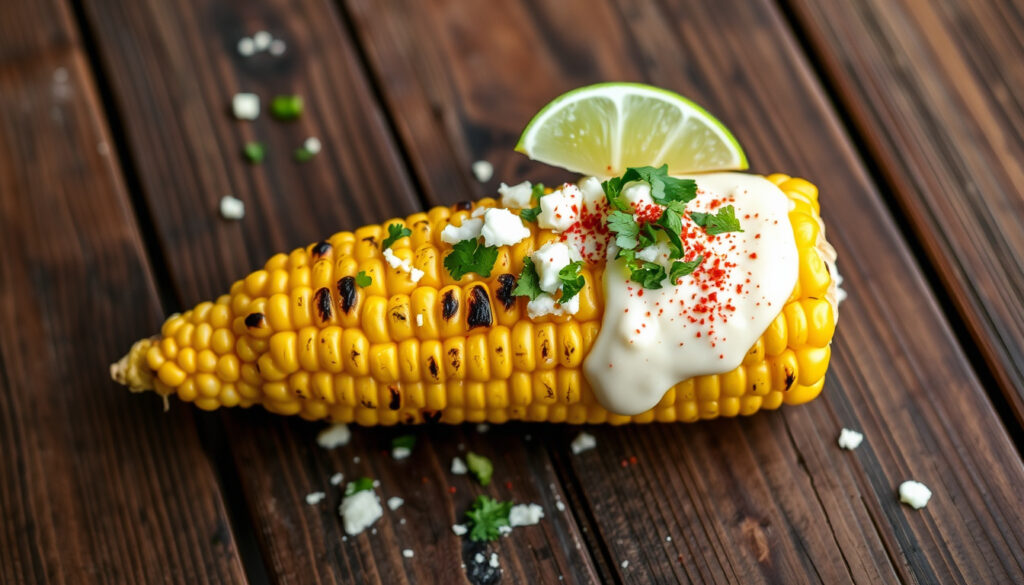
Mexican Street Corn Recipe – Authentic Elote at Home
Mexican street corn, known as elote, transforms simple grilled corn into something extraordinary. Found at vendors throughout Mexico, this beloved street food combines fresh corn with a creamy, tangy sauce and bold toppings. The dish captures the essence of Mexican summer cuisine, offering layers of flavor that elevate a humble vegetable into a memorable experience. Whether enjoyed at a street corner in Mexico City or prepared at home, elote represents a perfect balance of smoky, creamy, spicy, and fresh elements.
This recipe guide walks through every component of authentic elote, from selecting the right corn to mastering the sauce and toppings. Home cooks can achieve restaurant-quality results by understanding the core techniques and ingredient choices that define this classic preparation.
How Do You Make Mexican Street Corn (Elote)?
Creating authentic elote at home requires attention to a few key moments: achieving proper char on the corn, preparing a well-balanced sauce, and assembling with fresh toppings. The process moves quickly once you understand the sequence.
The Grilling Process
Start with fresh corn still in its husk. For the best results, peel back the husks but leave them attached at the base to serve as a handle. Brush the exposed kernels generously with melted butter or oil, then place the corn directly over medium-high heat. Grill for 8-12 minutes, turning occasionally, until char marks develop on all sides and the kernels have caramelized slightly. The high heat creates those characteristic smoky notes that distinguish street-style elote from boiled corn.
Preparing the Sauce
While the corn grills, combine mayonnaise (or Mexican crema for a tangier result) with minced garlic, a squeeze of lime juice, and your choice of chili spices. Traditional preparations use chili powder or Tajín, while others incorporate cayenne or chipotle for deeper smoke. The sauce should be thin enough to spread easily but thick enough to cling to the hot corn.
Assembly and Topping
Remove the corn from the grill and immediately slather the warm kernels with the prepared sauce. The heat helps the sauce adhere and slightly melt into the corn. Roll the corn through crumbled cotija cheese, coating all sides generously. Finish with a dusting of additional chili powder, chopped cilantro, and a lime wedge for squeezing. Serve immediately while hot.
- Grill temperature matters: Medium-high heat creates char without burning; too hot and the exterior chars before the corn heats through
- Work quickly during assembly: Apply sauce and cheese while corn is still extremely hot for best adherence
- Cotija is essential: This salty, crumbly Mexican cheese cannot be fully replicated, though feta offers the closest substitute
- Spice levels are personal: Start conservatively with chili and adjust based on preference; Tajín provides balanced seasoning
- Tie husks as handles: Before grilling, fold husks downward and tie with kitchen twine for easy eating
- Wooden sticks simplify service: Insert a popsicle stick or wooden skewer through the base for convenient handling
| Ingredient | Quantity (4 ears) | Purpose |
|---|---|---|
| Fresh corn | 4 ears, husked | Base component |
| Mayonnaise or crema | ¼-½ cup | Creates creamy sauce base |
| Cotija cheese | ½ cup crumbled | Provides salty, tangy topping |
| Lime | 1 tbsp juice + wedges | Adds brightness and acidity |
| Chili powder or Tajín | ½ tsp+ to taste | Delivers signature heat |
| Butter | 2 tbsp melted | Enhances richness and browning |
| Cilantro | 2 tbsp chopped | Fresh herbal contrast |
| Garlic | 1 clove minced | Builds depth in sauce |
What Are the Ingredients for Authentic Mexican Street Corn?
The ingredient list for elote remains straightforward, relying on quality components rather than complex preparations. Each element plays a specific role in creating the distinctive flavor profile that has made this dish a staple across Mexico.
The Corn Foundation
Fresh sweet corn forms the canvas for everything else. While yellow and white varieties both work well, ensure the ears feel heavy and have bright green husks. The kernels should be plump and release a milky liquid when pressed—signs of freshness. Frozen corn can work in a pinch, though fresh grilled corn delivers superior texture and sweetness.
The Creamy Component
Traditional recipes call for Mexican crema, which offers a lighter tang than mayonnaise. Many street vendors use mayonnaise, which creates a richer mouthfeel and helps the toppings adhere better. Some preparations blend both, achieving balance between tanginess and richness. The sauce binds all toppings to the corn and adds moisture that contrasts with the charred exterior.
The Cheese Element
Cotija cheese is the traditional choice—a hard, crumbly cheese with a salty flavor reminiscent of feta. Named after a town in the state of Mexico, it crumbles easily and melts slightly onto hot corn. Queso fresco provides a milder alternative, while standard feta offers the closest approximation in Western grocery stores. The cheese adds salt, tang, and creamy texture that complements the other elements.
Acid and Freshness
Lime juice cuts through the richness of the sauce and cheese, preventing the dish from feeling heavy. A squeeze of lime also brightens the corn’s natural sweetness. Fresh cilantro adds an herbal element that balances the fat and provides color contrast. Both should be added just before serving to maintain their fresh characteristics.
When authentic ingredients prove difficult to source, Greek yogurt works as a lower-fat crema substitute, nutritional yeast can replace cotija in vegan versions, and lemon juice suffices when limes are unavailable. These adaptations maintain the dish’s spirit while accommodating different pantries and dietary needs.
What Is Mexican Street Corn and Its History?
Elote represents much more than a simple preparation of corn—it embodies centuries of Mexican culinary tradition and the vibrant culture of street food vendors who have perfected this snack over generations. Understanding its origins enriches the experience of making and eating elote at home.
Origins in Mesoamerican Cuisine
Corn has served as the foundation of Mexican cuisine for thousands of years, beginning with ancient Mesoamerican civilizations that cultivated this crop as a dietary staple. The word elote itself means “corn on the cob” in Spanish, derived from Nahuatl, the language of the Aztecs. Early preparations of grilled corn likely resembled today’s elote, though modern toppings like cotija cheese and chili represent later additions from Spanish colonial influence.
The Street Vendor Tradition
Throughout the 20th century, eloteros—corn vendors—became a ubiquitous presence throughout Mexican cities and towns. These vendors operate from carts equipped with grills, serving freshly prepared elote to passersby. The dish became associated with summer evenings, ballgames, and public gatherings. Each region developed subtle variations, with some vendors adding mayonnaise while others prefer pure crema, some using extensive spice blends and others keeping heat minimal.
Rise to International Popularity
Mexican street corn gained significant popularity in the United States during the 2010s, appearing on restaurant menus and at food festivals nationwide. Food writers and cooking shows highlighted elote as an example of authentic Mexican street food, driving home cooks to attempt their own versions. Today, elote appears at backyard barbecues, summer parties, and alongside dishes from various culinary traditions, demonstrating its versatility and universal appeal.
In Mexico, elote is often enjoyed as an evening snack rather than a meal accompaniment. Vendors typically serve it in the husk as a handle, allowing eating on the go. The experience prioritizes immediacy—corn is prepared to order and served hot, with customers eating while walking. At home, recreating this immediacy means timing everything to come together in sequence rather than preparing components separately in advance.
Mexican Street Corn Variations and Tips
While authentic elote follows a clear template, numerous variations accommodate different dietary preferences, cooking equipment, and flavor profiles. Exploring these adaptations helps home cooks find their preferred approach.
Esquites: The Off-the-Cob Version
Esquites represents the same flavors as elote but prepared differently. Kernels are cut from the cob and typically sautéed or mixed with the sauce, then served in cups or bowls. This preparation works well for parties, as it requires no eating on the cob and can be portioned easily. Cold esquites also function as a salad, offering a refreshing alternative during warmer months.
Oven and Broiler Methods
Those without outdoor grills can achieve excellent results using kitchen equipment. The oven broiler provides high, direct heat that creates similar char marks to outdoor grilling. Position corn on a baking sheet under the broiler, turning every few minutes, until the surface develops golden-brown spots. Alternatively, roasting at 425°F in a cast-iron skillet produces convection-style browning with slightly more even coloring.
Vegan Adaptations
Plant-based versions replace dairy elements without sacrificing core flavors. Vegan mayonnaise or cashew-based crema provides the sauce base, while nutritional yeast or commercial vegan cheese substitutes approximate cotija’s salty complexity. These adaptations work best when the sauce incorporates additional lime juice and bold spices to compensate for dairy’s natural richness.
Spice-Free Variations
For those avoiding heat, elote can be prepared with herbs and cheese alone. Italian seasoning, smoked paprika (which provides color and smokiness without capsaicin heat), or ranch seasoning offer flavor complexity without spice. These variations particularly appeal to children or those with sensitive digestive systems. For a delicious and authentic experience, you can find the atsuyage main recipe to make this dish yourself.
Overcooking the corn before applying toppings leads to dry, tough kernels. Applying sauce too early causes it to slide off during grilling. Using insufficient char means missing the signature smoky flavor that defines elote. Cold sauce on hot corn creates uneven coating—bring sauce to room temperature or briefly warm it before applying.
Cooking Timeline and Key Milestones
Understanding the sequence of steps helps coordinate timing, especially when serving elote alongside other dishes. The total active time remains modest, but attention to order ensures components come together at the ideal moment.
- Preparation (10 minutes): Mix sauce ingredients, crumble cheese, chop cilantro, and prepare lime wedges. These components can rest at room temperature while the corn cooks.
- Grilling (8-12 minutes): Place prepared corn over medium-high heat. Turn every 2-3 minutes for even char. Remove when kernels appear caramelized with visible browning.
- Assembly (2-3 minutes): Apply sauce immediately while corn is extremely hot. Roll in cheese, then add cilantro and chili powder. The heat melts cheese slightly and sets the sauce.
- Serving (immediate): Serve within 5 minutes of assembly. Corn continues cooking during resting, and toppings settle and adhere best when hot.
For larger gatherings, coordinate batches so each serving comes off the grill in sequence rather than preparing all corn ahead and reheating, which compromises texture significantly.
Established Facts and Uncertainties
Various sources document elote differently, reflecting both regional variations and incomplete historical records. Separating verified information from speculation helps set realistic expectations for authenticity.
| Established Information | Uncertain or Variable |
|---|---|
| Elote means “corn on the cob” in Spanish | Exact date of street vendor emergence |
| Core ingredients: corn, mayo/crema, cotija, lime, chili | Regional ingredient preferences (mayo vs. crema) |
| Vendors called eloteros operate throughout Mexico | Precise origin of specific topping combinations |
| Corn is a Mesoamerican staple crop | Evolution from colonial to modern elote |
| Grilling creates signature char and smokiness | Spice level traditions by region |
| Cotija cheese named after town in state of Mexico | Whether certain vendors originated specific techniques |
Nutrition information varies significantly based on specific ingredient quantities and preparation methods. Published calorie counts range from 200-300 per ear, with fat content fluctuating most based on sauce richness and cheese amount.
Nutritional Profile and Dietary Considerations
Elote offers a balanced macronutrient profile when consumed in moderation, though specific values depend heavily on ingredient proportions. The combination of carbohydrates from corn, fats from sauce and cheese, and protein from cheese creates a satisfying snack that pairs well with lighter main dishes.
Each ear provides approximately 15-20 grams of carbohydrates, 10-15 grams of fat, and around 5 grams of protein. Vitamins A and C from lime juice and corn contribute to the nutritional value, while cotija cheese adds calcium and sodium. The high sodium content warrants attention for those monitoring salt intake, as both cotija and chili seasonings contribute significantly.
For those seeking lighter versions, reducing mayonnaise and cheese quantities while increasing lime juice and spices maintains flavor impact while lowering calories. Serving elote alongside protein-rich accompaniments can round out a complete meal.
Sources and Expert Perspectives
Multiple recipe developers and food historians have documented elote preparation, providing the foundation for understanding authentic techniques. While few professional chefs claim elote as their signature creation, community recipe repositories and Mexican food specialists offer consistent guidance on core components.
“Elote represents the perfect street food—simple enough to prepare quickly yet complex enough to deliver satisfaction with every bite. The key lies in temperature: hot corn, cool sauce, room-temperature toppings.”
Recipe collections from Serious Eats and similar publications provide analytical perspectives on technique, while community-driven sites like Isabel Eats and Kitchen Gidget offer tested home-kitchen approaches. Mexican tourism resources document street vendor culture that gives elote its authentic context.
Summary
Mexican street corn brings together simple ingredients and straightforward techniques to create something genuinely memorable. The combination of charred fresh corn, creamy sauce, salty cheese, bright lime, and spicy chili delivers layers of flavor and texture that justify elote’s enduring popularity. Whether grilled outdoors during summer months or prepared under a broiler year-round, this dish connects home cooks to a rich tradition of Mexican street food culture.
Success comes from respecting core principles: using the freshest available corn, achieving proper char without overcooking, applying sauce while the corn is hot, and finishing with quality cheese and fresh herbs. Variations accommodate different dietary needs and equipment constraints, ensuring everyone can enjoy this preparation. The result is a versatile dish suitable for casual family meals, backyard gatherings, and elegant dinner parties alike.
Frequently Asked Questions
Is Mexican street corn spicy?
Traditional elote includes chili powder or Tajín, which provides mild to moderate heat depending on quantity. Spice levels can be adjusted to preference, and versions without heat work well for those avoiding capsaicin.
What is the difference between elote and esquites?
Elote serves corn on the cob while esquites removes kernels and serves them in cups or bowls. Both use identical sauce and toppings, with esquites offering easier portion control and serving for gatherings.
Is elote served hot or cold?
Elote should be served immediately while hot, as the heat helps the sauce adhere and melts the cheese slightly. Cold elote loses textural contrast, though cold esquites work as a refreshing salad option.
What is cotija cheese?
Cotija is a hard, crumbly Mexican cheese named after the town where it originated. It has a salty, tangy flavor similar to feta and crumbles easily over hot corn. Feta makes an adequate substitute when cotija is unavailable.
Can Mexican street corn be made without mayonnaise?
Yes. Mexican crema, sour cream, Greek yogurt, or blended cashew cream all work as mayonnaise substitutes. Some traditional recipes use crema exclusively, which offers a lighter, tangier result than mayonnaise.
How do you reheat elote?
Briefly grill or broil leftover corn for 2-3 minutes to refresh the char, then apply fresh sauce and toppings. Microwaving produces steamed results lacking the characteristic crisp exterior.
What wine or beverage pairs with Mexican street corn?
Light beers, Mexican lagers, or chilled white wines like Pinot Grigio complement elote’s acidity and richness. For non-alcoholic options, lime agua fresca or hibiscus iced tea balance the dish’s flavors.
More related posts
 Heat Pump Water Heater: Worth It? Costs, Winter & Martin Lewis
 What Is Corned Beef? Definition, Nutrition, and Health Impact
 Sauron Rings of Power: Identity, Disguises & Lore Guide
 24/7 Solitaire – Free Online Games No Download
 As It Was Lyrics – Meaning, Facts and Harry’s House
 Angel Reese Net Worth vs Caitlin Clark (2025): Full Comparison
 US Men’s Hockey Today: Gold Medal Win, Channel, Schedule & Score
 2026 NFL Mock Draft Simulator: Best 7-Round Tools with Trades