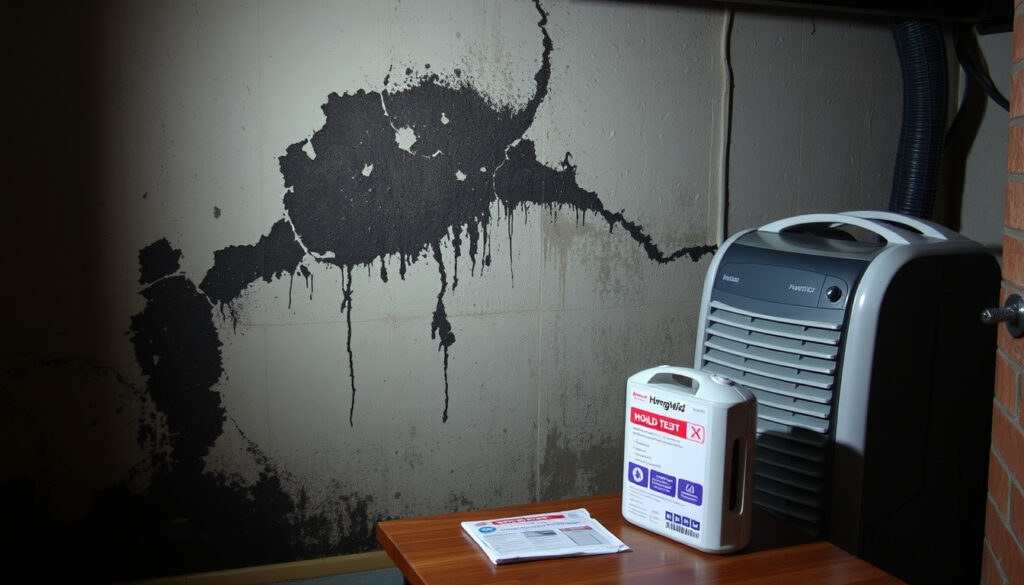
Symptoms of Mold Exposure: How to Know, Test, and Recover
If you’ve been sneezing more than usual, waking up with a stuffy nose, or feeling foggy-headed at home—but fine when you’re away—your living space might be the culprit. Mold exposure can trigger a range of symptoms that are easy to mistake for a cold or seasonal allergies.
Common Symptoms: Nasal congestion, eye irritation, wheezing, skin rash · Common Indoor Mold Types: Aspergillus, Penicillium, Stachybotrys (black mold) · Primary Risk Group: People with asthma, allergies, or weakened immune systems
Quick snapshot
- Mold exposure can cause allergic reactions (sneezing, congestion, eye irritation) (Cleveland Clinic (leading U.S. hospital))
- Black mold (Stachybotrys) is associated with respiratory symptoms (Cleveland Clinic)
- Exact threshold for mold toxicity
- Long-term health effects of chronic low-level exposure
- Symptoms typically appear within hours to days of exposure (Mayo Clinic (top-ranked medical center))
- Find and fix moisture problems, clean up mold growth (CDC (U.S. federal health agency))
- Consult a doctor if symptoms persist (Healthline (peer-reviewed health publisher))
| Fact | Details | Source |
|---|---|---|
| Primary symptoms | Nasal congestion, eye irritation, wheezing, skin rash | Cleveland Clinic |
| Risk groups | People with asthma, allergies, compromised immune systems | Healthline |
| CDC stance on sampling | Do not conduct mold sampling in most cases | CDC |
| EPA remediation guidance | Clean up mold and fix moisture source; professional help for extensive growth | U.S. EPA (federal environmental agency) |
| WHO dampness guidelines | Damp indoor environments increase risk of respiratory symptoms and asthma | World Health Organization (global health authority) |
| NHS advice | Damp and mould can trigger asthma and allergy symptoms | NHS (U.K. national health service) |
| Mayo Clinic symptom list | Sneezing, runny nose, cough, itchy eyes, dry skin | Mayo Clinic |
| Recovery time range | Weeks to months depending on exposure severity and health | General medical consensus |
The pattern: these eight facts form the evidence base that separates well-documented allergic responses from unproven toxicity claims.
How do you know if you have mold poisoning?
What are the initial signs of mold exposure?
- Sneezing, coughing, congestion, and irritated eyes are the most common first signals (Cleveland Clinic).
- Wheezing or shortness of breath, especially in those with asthma (NHS).
- Skin rash or itchy skin after being in a damp environment.
Most early symptoms are identical to seasonal allergies—if they clear up when you leave the building, suspect indoor mold rather than pollen.
How do mold allergy symptoms differ from cold symptoms?
- Cold symptoms usually include fever, body aches, and sore throat, which are rare with mold exposure (Mayo Clinic).
- Mold symptoms persist as long as you stay in the contaminated environment; colds run their course in 7–10 days.
- Itchy, watery eyes point strongly toward an allergic trigger.
What this means: If you track symptoms for a week and they fade when you’re outdoors or away from home, mold is likely the driver.
What are the 10 warning signs of mold toxicity?
What are the silent signs of mold toxicity?
- Brain fog, difficulty concentrating, or memory lapses (Cleveland Clinic notes that black mold rarely causes serious illness, but neurological effects are debated).
- Unexplained fatigue or weakness.
- Mood swings, anxiety, or irritability.
Despite online claims of “mold toxicity” causing brain damage, the Cleveland Clinic states there is no proof that mold toxins cause diseases in people. Most symptoms are allergic or irritant in nature.
How do chronic mold exposure symptoms present?
- Persistent cough, sinus infections that won’t clear, and worsening asthma over time (Mayo Clinic).
- Chronic fatigue syndrome-like complaints in sensitivity-prone individuals.
- Joint pain or muscle aches reported anecdotally but not confirmed by major health agencies.
The implication: The term “mold toxicity” is overused. For the vast majority, the issue is allergy and irritation—not poisoning. Focus on removing the mold, not chasing a toxin diagnosis.
How to detox your body from mold naturally?
What foods help detox mold?
- Eat anti-inflammatory foods: leafy greens, turmeric, ginger, and omega-3 rich fish (Healthline says there is no evidence detox is needed).
- Stay hydrated to support liver and kidney function.
- Avoid processed foods and sugar that can fuel inflammation.
Are there supplements for mold detox?
- Some practitioners recommend binders like activated charcoal, but Healthline cautions that evidence is lacking.
- Consult a healthcare provider before starting any supplement regimen.
- Focus on a healthy diet and removing mold from your environment rather than “detoxing.”
How long does it take to recover from mold toxicity?
What factors affect recovery time?
- Duration and intensity of exposure.
- Individual sensitivity (allergies, asthma, immune status).
- Speed of mold remediation and moisture control (CDC recommends drying wet areas within 24–48 hours).
Can recovery take months?
- Yes, especially if the person has a compromised immune system or underlying lung disease (NHS).
- Allergy symptoms typically resolve within days to weeks after leaving the moldy environment.
- Chronic fatigue or neurological complaints may take longer; medical follow-up is key.
The trade-off: The quicker you identify and fix the moisture problem, the faster symptoms subside. Delaying remediation prolongs exposure and recovery.
What is the 5 minute mold test?
How accurate is the 5 minute mold test?
- It is a quick surface swab test that detects visible mold growth on a small area.
- Not a comprehensive air quality test and cannot measure spore levels in the air (CDC advises against routine sampling).
- Accuracy is low for ruling out hidden mold problems.
What does a 5 minute mold test detect?
- It detects the presence of mold on the sampled surface, not the type or severity.
- Best used as a confirmation that a visible spot is mold, not as a health risk assessment.
A 5-minute test might tell you “yes, there’s mold,” but it won’t tell you if it’s making you sick. For health concerns, the CDC says to focus on fixing moisture and cleaning mold—not on laboratory analysis.
How do I test myself for mold toxicity?
What are the best at-home mold test kits?
- Surface tests (like the 5-minute test) can identify visible mold.
- Air sampling kits can measure spore levels, but results are hard to interpret without professional help (EPA says the goal should be cleaning, not testing).
- For hidden mold, consider hiring a certified mold inspector.
Should I see a doctor for mold testing?
- If you have persistent or severe symptoms, yes. A doctor can perform allergy tests or refer to a specialist (NHS).
- Urine mycotoxin tests exist but are controversial and not routinely recommended by mainstream medicine.
- The most reliable approach is symptom tracking + environmental remediation.
The pattern: Medical testing is rarely needed. If symptoms are mild, fix the moisture. If severe, see a doctor—not an internet test kit.
What experts say about mold and your health
“Black mold rarely causes serious illness or death.”
— Cleveland Clinic
“Most mold exposure does not require medical attention.”
— Healthline
“If mold is a problem in your home, the goal should be to clean up the mold and fix the moisture source.”
Confirmed facts vs. What’s unclear
Confirmed facts
- Mold exposure can cause allergic reactions (sneezing, congestion, eye irritation) — Cleveland Clinic
- Black mold (Stachybotrys) is associated with respiratory symptoms — Cleveland Clinic
- Damp indoor environments increase risk of respiratory symptoms — WHO
What’s unclear
- Exact threshold for mold toxicity
- Long-term health effects of chronic low-level exposure
- Whether mycotoxin urinary tests are clinically useful
The editorial takeaway: For the vast majority of people, indoor mold is a manageable allergen, not a poison. The real solution is as old as home maintenance: find the leak, dry it out, scrub the mold. For those in the U.S. or U.K. with persistent symptoms, the choice is clear: fix the moisture problem first, or risk months of recurring allergy-like illness.
moldguy.ca, parsleyhealth.com, austinmdclinic.com, thesupportivecare.com, navacenter.com, greenhomesolutions.com
For a deeper look at what to watch for, this article details the 10 warning signs of mold toxicity in both adults and toddlers.
Frequently asked questions
Can mold exposure cause anxiety?
Some people report mood changes during mold exposure, but there is limited high-quality evidence linking mold directly to anxiety. Allergic symptoms and disrupted sleep could contribute to mood swings.
Is black mold the only dangerous mold?
No. Stachybotrys (black mold) gets the most attention, but many other molds like Aspergillus and Penicillium can trigger allergies and asthma (Mayo Clinic).
How can I prevent mold growth?
Control moisture: fix leaks, use exhaust fans, keep humidity below 50%, and dry wet areas within 24–48 hours (NIOSH).
What should I do if I find mold in my home?
Clean small patches (under 10 sq ft) with detergent and water. For larger areas, wear an N95 mask and gloves, or hire a professional (EPA).
Are mold test kits accurate?
Surface kits are good for confirming visible mold; air tests are less reliable. The CDC advises against routine sampling.
Do air purifiers help with mold?
HEPA air purifiers can capture mold spores from the air but won’t fix the moisture source. They are a supplement, not a solution.
Can mold exposure cause skin rash?
Yes. Direct contact with mold can cause itchy, red skin in sensitive individuals (Mayo Clinic).
How do doctors test for mold toxicity?
There is no standard test for “mold toxicity.” Doctors diagnose based on symptoms, allergy tests, and ruling out other causes. Urine mycotoxin tests are controversial (Healthline).
More related posts
 Apartments for Rent NYC – 2026 Prices Neighborhoods and Tips
 University of New Haven: Rankings, Athletics, and Key Facts
 Indiana Fever vs Minnesota Lynx: Player Stats & Scores
 Social Security Retirement Age Change: Guide to 2026-2033
 Arrival (film): Plot, Cast, Twist & Oscars Explained
 Keeping Up with the Kardashians: Full Streaming Guide & Net Worth
 How to Reset Network Settings on iPhone (Step-by-Step)
 Can Dogs Eat Cantaloupe? Safe Serving Sizes & Risks