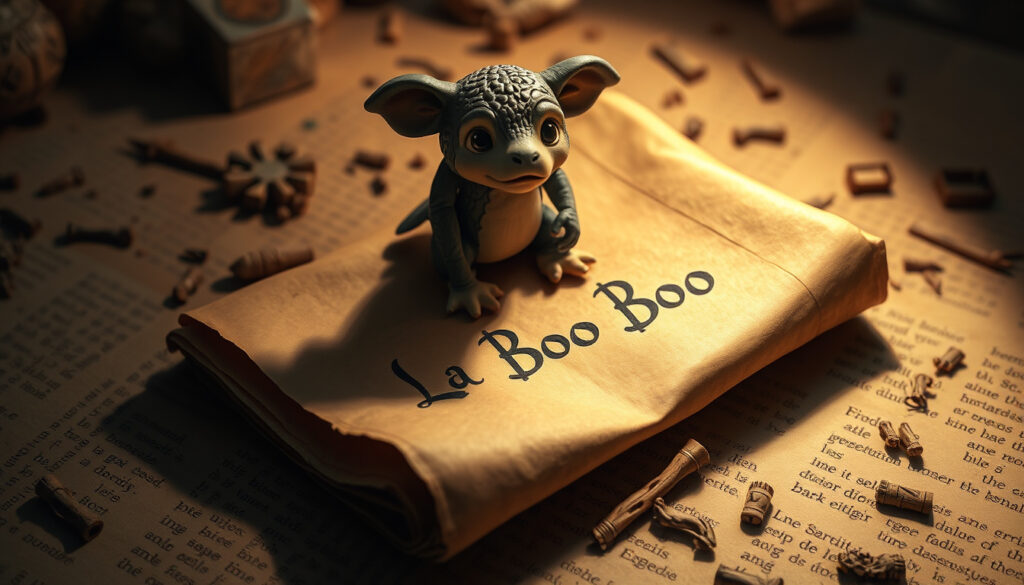
La Boo-Boo – The Truth About Labubu’s Name Origin
The phrase “la boo-boo” has circulated online as a potential explanation for the name of the popular collectible character Labubu. However, research into available sources reveals no confirmed etymology for the name, leaving this claim largely unsubstantiated. Understanding the origins and cultural significance of Labubu requires examining the verified facts surrounding its creation and rise to global popularity.
Labubu, pronounced /lɑːˈbuːbuː/ (lah-BOO-boo), represents a line of collectible plush toys and figurines created by Hong Kong illustrator Kasing Lung. The character emerged as part of his The Monsters story series, which draws inspiration from Nordic folklore and mythology from Lung’s childhood in the Netherlands. Despite extensive documentation of the brand’s history and cultural impact, the linguistic origin of its name remains officially unexplained. Additional background on designer toys and character-driven collectibles can be found in comprehensive resources like Wikipedia’s coverage of the phenomenon.
Online discussions have attempted to connect “la boo-boo” to Labubu’s name, sometimes jokingly suggesting it means “you got a boo-boo in French.” This claim has circulated through social media platforms and video commentary, but credible sources have not verified this connection. The unverified nature of this etymology stands in contrast to the well-documented history of the character itself.
What Is Labubu and Why the Name Confusion?
Labubu is a collectible character created by Kasing Lung, part of The Monsters series. The character features distinctive traits including large ears, sharp teeth, and a scruffy, mischievous appearance resembling a zoomorphic elf hybrid.
The Character Design and Series Structure
Labubu depicts a monster-elf hybrid figure, with the series featuring a group of similar elves rather than a single character. This structure loosely resembles the organization found in The Smurfs, with one main leader typically depicted with brown fur. Early design iterations showed a more square-shaped head and narrower, bunny-like ears before the distinctive features fully emerged.
The creative inspiration draws from multiple sources, including Nordic elves, the children’s book Where the Wild Things Are, Super Mario’s Toad, and fairy lore such as púca or brownies. These influences contributed to evolving traditional elf imagery into what collectors describe as tiny imps with a distinctive “spooky-cute” appeal.
Understanding the Name Origin Question
No definitive etymology for “Labubu” appears in confirmed sources. One casual video remark jokingly claims the name means “you got a boo-boo in French,” but this explanation lacks documentation and appears dismissed in proper context. The phonetic similarity between “Labubu” and “la boo-boo” has fueled speculation, but researchers have not validated this connection.
Kasing Lung has not publicly addressed the name’s origin, leaving this question open to interpretation and online discussion. The ambiguity surrounding the name contrasts with the extensive documentation available about the character’s design, commercial history, and cultural impact.
- Created by Hong Kong illustrator Kasing Lung
- Part of The Monsters story series
- First released as a collectible figurine in 2015
- Inspired by Nordic folklore from Lung’s Dutch upbringing
- Features characteristics of both monsters and elves
- Series includes multiple character variations
| Attribute | Details |
|---|---|
| Creator | Kasing Lung (Hong Kong illustrator) |
| Series | The Monsters |
| First Release | 2015 (figurines via How2Work) |
| Commercial Partner | Pop Mart (collaboration began 2019) |
| Design Inspiration | Nordic folklore, Where the Wild Things Are, púca |
| Name Status | Unconfirmed etymology |
The Rise of Labubu From Niche Collectible to Global Phenomenon
Early Development and Initial Release
Labubu first appeared in 2015 through “Monsters” figurines distributed by How2Work, Lung’s licensing company. The initial releases attracted a dedicated following among collectors of designer toys, particularly in Asian markets. The character’s distinctive appearance—combining the unsettling with the adorable—resonated with audiences seeking unique collectibles.
The collaboration with Pop Mart, a blind box toy retailer, beginning in 2019 marked a significant turning point. This partnership expanded Labubu’s accessibility, placing the collectibles in Pop Mart’s retail locations across Asia. The blind box format, where purchasers receive a random figurine from a series, introduced an element of chance that fueled collecting enthusiasm.
The 2024 Explosion in Popularity
Labubu’s mainstream breakthrough occurred in 2024, particularly across East and Southeast Asian markets. The surge in popularity received significant momentum from K-pop star Lisa of Blackpink, who displayed Labubu keychain versions on social media and in public appearances. This celebrity endorsement sparked widespread interest, especially in Thailand, where the character became deeply embedded in local culture.
High-profile endorsements from figures including Rihanna, Cher, and actors like Javier Bardem elevated Labubu from collectible toy to fashion-forward accessory. The character’s integration into luxury and streetwear aesthetics demonstrated its versatility as a cultural object.
By 2025, over 300 Labubu figurines had been released, with prices ranging from $15 for small vinyl versions to $960 for mega editions. A particularly notable sale occurred in Beijing, where a 1.2-meter-tall Labubu figurine fetched $170,000 at auction, illustrating the extreme valuations some collectors attach to rare pieces.
Cultural Adaptations and Regional Significance
Integration Into Thai Culture
Thailand demonstrated one of the most distinctive cultural adaptations of Labubu. The character transformed into Buddhist amulets and tattoos, with some believers attributing properties of wealth and fortune to Labubu-branded items. This spiritual integration represented an unexpected evolution for a character originally conceived within secular designer toy culture.
Local artisans began producing Labubu-inspired religious items, ranging from small pendants to larger amulet designs. The phenomenon reflected the character’s ability to absorb and reflect local beliefs, demonstrating how global design can interact with traditional cultural practices.
Singapore’s Nine Emperor Gods Festival
In Singapore’s 2024 Nine Emperor Gods Festival, Labubu figurines dressed as devotees appeared in temple settings, drawing younger populations to traditional religious observances. This convergence sparked discussions about the boundaries between cultural tradition and contemporary cuteness culture.
Temple authorities clarified that Labubu figures held no worship intent, emphasizing their role as decorative elements rather than objects of religious veneration. The incident illustrated the ongoing negotiation between traditional practices and modern consumer culture in rapidly modernizing societies.
Conspiracy Theories and Supernatural Connections
Labubu’s distinctive grin—an unsettling smile revealing sharp teeth—generated conspiracy theories connecting the character to ancient supernatural entities. Some social media users linked Labubu to Pazuzu, a Mesopotamian demon featured in religious texts and popular culture, based on perceived similarities in expression.
Claims of supernatural or jinn energy circulating around Labubu appeared on platforms including TikTok and Reddit. Pakistani actress Mishi Khan publicly warned against the character, suggesting spiritual dangers. However, creators have consistently dismissed these connections, emphasizing that Labubu’s design draws entirely from European folklore rather than Middle Eastern mythological traditions.
Academic researchers have shown greater interest in the consumer behavior surrounding Labubu, particularly the psychology of blind box purchasing and scarcity marketing. Studies examining how these factors drive collecting behavior have emerged alongside the cultural phenomenon, providing scholarly context for the commercial success.
The connection between Labubu and supernatural entities lacks credible evidence. Available sources consistently describe the character as inspired by Nordic folklore, with no documented links to Mesopotamian demons or occult practices.
The Complete Timeline of Labubu’s Evolution
- 2015 – Labubu first introduced through “Monsters” figurines distributed by How2Work, marking the character’s debut as a collectible designer toy.
- 2019 – Collaboration with Pop Mart begins, expanding Labubu’s retail presence and introducing the blind box format that would drive future growth.
- 2024 – Explosive popularity emerges across East and Southeast Asia, catalyzed by celebrity endorsements including K-pop star Lisa of Blackpink.
- 2024 – Labubu integrates into Thai Buddhist practice as amulets and tattoos, and appears in Singapore’s Nine Emperor Gods Festival observances.
- 2025 – Over 300 figurines released, anime adaptation of 156 short episodes announced, and record auction prices reached for rare editions.
What We Know Versus What Remains Unclear
| Established Information | Unconfirmed or Unknown |
|---|---|
| Creator: Kasing Lung (Hong Kong illustrator) | Official etymology of “Labubu” name |
| First release: 2015 via How2Work | Whether “la boo-boo” connection holds any validity |
| Pop Mart partnership: began 2019 | Original intended meaning behind name |
| Design inspiration: Nordic folklore, European fairy traditions | Creator’s personal explanation for name choice |
| 2024 celebrity-driven popularity surge | Future direction of character development |
| Over 300 figurines released by 2025 | Scope of planned anime adaptation |
Understanding the Broader Context
Labubu represents a convergence of several cultural and commercial trends. The character’s success reflects the growing importance of “ugly-cute” aesthetics in collectible markets, where designs embracing unconventional attractiveness have found substantial audiences. Combined with scarcity marketing through blind box distribution, Labubu exemplifies contemporary strategies for building collector communities. Similar patterns can be observed in the success of other character-driven collectibles that have achieved mainstream cultural penetration.
The character’s journey from designer toy to cultural phenomenon demonstrates how character-driven merchandise can transcend original market segments. What began as collectibles for enthusiast communities has evolved into items with religious significance, fashion accessories, and social media currency across multiple demographics.
The lack of confirmed etymology for “Labubu” leaves space for continued speculation, but the verified aspects of the character’s history—its creation, commercial development, and cultural adaptations—provide substantial material for understanding its significance. The phrase “la boo-boo” remains one of several unverified explanations circulating online, alongside the silence from the creator himself regarding the name’s origin.
Sources and Available Documentation
Primary documentation of Labubu derives from Wikipedia entries, video interviews with creator Kasing Lung, and official Pop Mart product information. Video sources, including interviews discussing the character’s Nordic folklore inspiration, provide visual and spoken confirmation of the design influences.
Cultural reporting from Thailand and Singapore documents the regional adaptations of Labubu, while academic research has examined consumer behavior patterns surrounding blind box collecting. Social media platforms have served as vectors for both the character’s popularity and the various theories about its name and significance.
Labubu has evolved from a niche designer toy into a global cultural phenomenon, blending Scandinavian folklore inspiration with contemporary collector culture and social media virality.
Summary and Key Takeaways
The phrase “la boo-boo” represents one of several unverified attempts to explain the name of Labubu, the collectible character created by Hong Kong illustrator Kasing Lung. While online sources have joked about possible connections to French phrases, no confirmed etymology exists for “Labubu” in documented sources. The character itself emerged in 2015 as part of The Monsters series, drawing inspiration from Nordic folklore and European fairy traditions rather than providing clues about its name’s origin.
Labubu’s rise from designer toy to global phenomenon occurred primarily through a 2019 partnership with Pop Mart and subsequent celebrity endorsements that drove explosive 2024 popularity. The character’s distinctive design—combining elfin features with monster-like teeth—generated both collector enthusiasm and unfounded conspiracy theories. Cultural adaptations in Thailand and Singapore demonstrated how the character absorbed local meanings, while commercial success reached extreme valuations with rare auction pieces. The planned 2025 anime adaptation suggests continued expansion of the Labubu universe, even as fundamental questions about its name remain unanswered.
For those exploring character-driven collectible phenomena, examining cases like Labubu offers insights into how design, marketing, and cultural context interact to create modern icons. Related coverage of Nope (Film) – Plot, Cast, Ending Explained and American Horror Story Season 12 – Release Date, Cast and Plot Details provides additional perspective on entertainment phenomena and their cultural impact.
Frequently Asked Questions
Does “Labubu” actually mean “la boo-boo” in French?
No confirmed source validates this claim. The connection between “Labubu” and a French phrase meaning “you got a boo-boo” appears only as an unsubstantiated joke in casual video commentary.
Who created Labubu?
Hong Kong illustrator Kasing Lung created Labubu as part of his The Monsters series, inspired by Nordic folklore from his childhood in the Netherlands.
When did Labubu first appear?
Labubu debuted in 2015 through “Monsters” figurines distributed by How2Work, Lung’s licensing company.
What caused Labubu’s 2024 popularity surge?
Celebrity endorsements, particularly from K-pop star Lisa of Blackpink displaying Labubu keychains, drove the explosive popularity across East and Southeast Asian markets.
Are the supernatural connections to Labubu real?
Creators have dismissed conspiracy theories linking Labubu to demons or occult entities. The character draws from European folklore, with no documented supernatural connections.
How many Labubu figurines exist?
By 2025, over 300 Labubu figurines had been released, ranging from small vinyl versions at $15 to mega editions priced at $960.
What is Labubu’s pronunciation?
Labubu is pronounced /lɑːˈbuːbuː/, approximately “lah-BOO-boo.”
Is Labubu linked to religious practices?
In Thailand, Labubu has been adapted into Buddhist amulets and tattoos. Singapore temples featured Labubu figures decoratively during the 2024 Nine Emperor Gods Festival, though authorities clarified no worship intent was involved.
More related posts
 Severance Season 2 Episode 8 – Recap and Analysis
 Bengals vs Minnesota Vikings Match Player Stats – Box Score & Top Performers
 Indian Grocery Near Me: Best Stores & Delivery in Ireland
 Map of African Countries – Labeled Printable Maps and 54 Nations Facts
 Universal Donor Blood Type: O Negative Myths & Facts
 What Is Collagen Good For? Benefits, Side Effects & More
 10 Meters to Feet: Converter, Chart & Exact Calculation