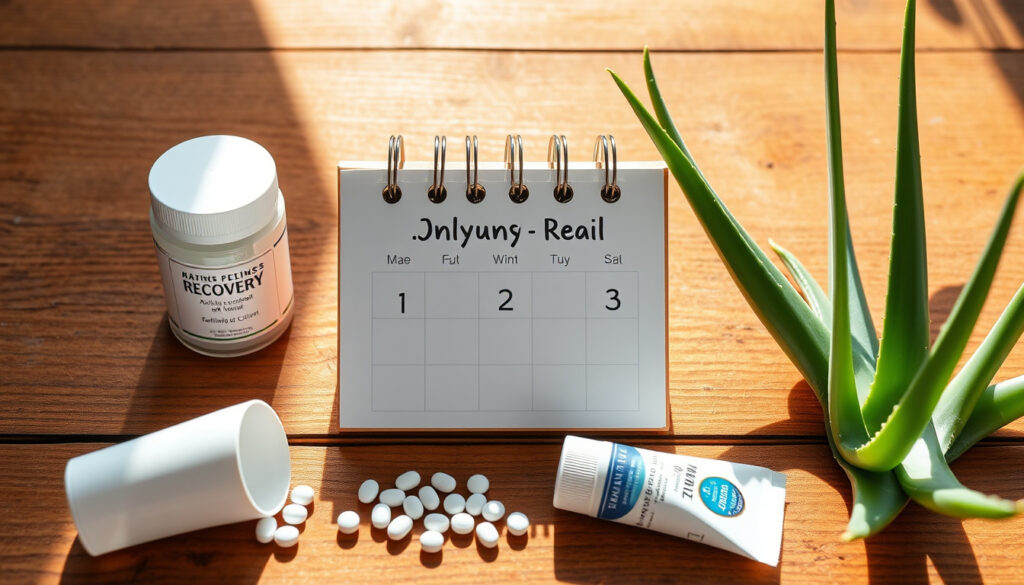
How to Cure Shingles in 3 Days – Realistic Recovery Guide
How to Cure Shingles in 3 Days: Realistic Guide to Fast Recovery
Shingles, caused by the reactivation of the varicella-zoster virus (the same virus responsible for chickenpox), produces a painful rash that can significantly impact daily life. Many people searching for ways to cure shingles in 3 days are seeking rapid relief from symptoms that can be both uncomfortable and concerning. While a complete cure in just three days is not medically realistic, understanding the most effective treatments and acting quickly can substantially reduce the duration and severity of an outbreak.
The key to managing shingles lies in prompt antiviral treatment. Research consistently shows that antiviral medications work best when started within 72 hours of the rash appearing. These medications cannot eliminate the virus entirely, but they can slow replication, accelerate healing, and—most importantly—reduce the risk of complications such as postherpetic neuralgia (PHN), a chronic nerve pain condition that may persist for months or even years after the rash resolves.
This guide examines what medical evidence says about shingles treatment timelines, the most effective medications available, and what patients can realistically expect during recovery. Anyone experiencing shingles symptoms should consult a healthcare provider immediately, as early intervention remains the single most important factor in achieving the best outcomes.
Can Shingles Be Cured in 3 Days?
The short answer is no—shingles cannot be fully cured in three days. While this search query reflects a common desire for rapid relief, the reality of how viral infections work means that complete resolution requires time. The varicella-zoster virus establishes itself in nerve tissue after initial chickenpox infection, and when it reactivates as shingles, the resulting outbreak follows a predictable course that typically spans three to five weeks.
However, early antiviral treatment can meaningfully shorten the outbreak. Studies indicate that medications like valacyclovir and acyclovir, when initiated within the critical 72-hour window, can reduce the duration of both the rash and associated pain by approximately one to two days. For many patients, this difference represents a significant improvement in quality of life during recovery.
Key Facts About Shingles Recovery
- Antiviral medications shorten outbreaks by one to two days when started early
- No treatment can completely eliminate the varicella-zoster virus from the body
- Approximately 95% of shingles cases resolve without scarring when properly managed
- Postherpetic neuralgia develops in 10-18% of patients over age 60
- Early treatment substantially reduces the risk of long-term complications
- Full skin healing typically occurs within two to four weeks with appropriate care
| Symptom | Onset | Duration |
|---|---|---|
| Rash | Day 1-5 | 7-10 days |
| Pain | Pre-rash | 2-4 weeks |
| Full Recovery | — | 3-5 weeks |
What Are the Fastest Proven Treatments for Shingles?
The fastest proven approach to managing shingles involves prescription antiviral medications. Three medications have received FDA approval for treating herpes zoster: acyclovir, valacyclovir, and famciclovir. Each works by inhibiting viral replication, though they differ in dosing convenience and cost.
FDA-Approved Antiviral Medications
Valacyclovir (commonly known by the brand name Valtrex) is often considered the preferred first-line treatment. Research published in medical literature suggests it may resolve pain faster than older alternatives—the average pain resolution time was approximately 38 days with valacyclovir compared to 51 days with acyclovir. Patients take 1 gram orally three times daily for seven days, making it more convenient than older medications requiring more frequent dosing.
Acyclovir (Zovirax) represents the older generation of herpes zoster treatments. It requires five daily doses at 800 mg per administration, which some patients find inconvenient. However, it remains effective and is typically less expensive. Treatment courses last seven to ten days.
Famciclovir (Famvir) offers comparable efficacy to valacyclovir with three daily doses of 500 mg. Its main advantage lies in good bioavailability, meaning the body absorbs it efficiently.
When to Start Treatment
The timing of antiviral initiation dramatically affects treatment outcomes. Clinical evidence demonstrates that effectiveness drops progressively: treatment started within three days achieves approximately 70-80% effectiveness, declining to around 45% by day seven and just 20% by day ten.
Antiviral medications demonstrate maximum effectiveness when started within 24-48 hours of rash appearance. Patients experiencing prodromal symptoms such as tingling, burning, or pain before the rash appears should seek medical attention immediately, as some providers will begin treatment based on these early signs alone.
That said, treatment after 72 hours may still benefit high-risk patients, including those over age 50, immunocompromised individuals, or patients with severe rash involvement. Healthcare providers may extend treatment up to seven days after rash onset in these cases.
Clinical Diagnosis
Shingles diagnosis is typically made clinically—meaning based on symptoms and rash appearance—without requiring laboratory confirmation. This allows treatment to begin immediately, which is crucial given the time-sensitive nature of antiviral therapy. Mayo Clinic emphasizes that waiting for test results should never delay treatment initiation.
What Home Remedies Can Help Relieve Shingles Symptoms?
While no home remedy can cure shingles or replace antiviral medication, several supportive measures can help manage symptoms and improve comfort during recovery. These approaches address pain, itching, and general discomfort without interfering with prescribed treatments.
Comfort Measures and Supportive Care
Cool compresses applied to affected areas can soothe itching and burning sensations. Patients should use clean cloths soaked in cool (not cold) water and apply them for 15-20 minutes several times daily. Calamine lotion may provide additional relief for itchy skin, though it should not be applied to open blisters.
Rest remains important during shingles recovery. The outbreak places stress on the body, and adequate sleep supports immune function. Patients should avoid strenuous activities that could delay healing or cause the rash to spread through friction.
Over-the-Counter Pain Relief
For mild to moderate pain, over-the-counter analgesics such as acetaminophen and ibuprofen can be effective. These medications address both pain and any fever that may accompany the outbreak. Patients should follow dosage instructions carefully and consult a pharmacist if taking other medications to avoid interactions.
For severe pain, healthcare providers may prescribe additional medications including gabapentin, pregabalin, or lidocaine patches. These targeted approaches prove particularly important for preventing or managing postherpetic neuralgia, the chronic pain condition that represents shingles’ most common complication.
Research specifically examining natural remedies for fastest healing remains limited. The medical consensus holds that antiviral medications remain the only treatments proven to meaningfully alter shingles disease course. Other approaches, while potentially beneficial for symptom relief, should complement—not replace—standard medical treatment.
How Long Does It Really Take to Recover from Shingles?
Shingles recovery follows a predictable pattern, though individual experiences vary based on age, immune status, treatment timing, and overall health. Understanding this timeline helps patients set realistic expectations and recognize when recovery is progressing normally versus when complications may be developing.
The prodromal phase—characterized by pain, tingling, burning, or itching—typically begins one to five days before the rash appears. This early warning period represents an opportunity to seek treatment, as the rash is not yet visible but antiviral therapy can still be beneficial.
The acute phase begins when the rash appears, usually as a strip or band on one side of the body (the trunk is most common). Blisters develop over approximately three to five days, then begin to crust over within seven to ten days. Most patients see complete crusting within two to three weeks.
Understanding Postherpetic Neuralgia
Postherpetic neuralgia (PHN) represents the most common complication of shingles, defined as nerve pain persisting more than 90 days after the rash appears. This condition affects 10-18% of all shingles patients, with significantly higher rates among older adults.
PHN pain can range from mild burning or tingling to severe, debilitating pain that interferes with sleep, daily activities, and quality of life. Early antiviral treatment reduces PHN risk by limiting viral damage to nerve tissue. Patients who develop PHN may require ongoing pain management including nerve medications, topical treatments, or referrals to pain specialists.
Shingles affecting the eye (ophthalmic zoster) requires urgent ophthalmology evaluation to prevent vision complications. Similarly, patients with weakened immune systems, widespread rash, or signs of bacterial infection (increasing redness, warmth, pus, or fever) should seek immediate medical attention.
What Does the Recovery Timeline Look Like?
Understanding the typical progression of a shingles outbreak helps patients track their recovery and identify potential complications early. The following timeline represents average expectations, though individual experiences may vary.
- Days 0-3: Begin antiviral medication as soon as possible after rash recognition. Early treatment maximizes effectiveness in reducing viral replication and accelerating healing.
- Week 1: Rash reaches peak intensity with new blisters potentially appearing. Pain management becomes critical during this phase. Cool compresses and prescribed medications help manage discomfort.
- Weeks 2-3: Blisters begin to crust over and heal. Pain typically begins to subside for most patients. Continue antiviral medication as prescribed (usually 7 days total).
- Week 4 and beyond: Monitor for signs of postherpetic neuralgia, which may develop even as skin healing progresses. Contact a healthcare provider if pain worsens or persists beyond expected timelines.
What We Know for Certain About Shingles Treatment
Medical literature and clinical guidelines provide clear evidence about certain aspects of shingles management, while other areas remain less certain. Distinguishing between established facts and unproven claims helps patients make informed decisions about their care.
| Established Information | Information That Remains Unclear |
|---|---|
| FDA-approved antivirals (acyclovir, valacyclovir, famciclovir) reduce severity and duration when started within 72 hours | Specific home remedies that meaningfully accelerate healing beyond supportive care |
| Antiviral treatment reduces risk of postherpetic neuralgia by limiting nerve damage | Optimal duration of treatment beyond the standard 7-day course for most patients |
| Shingles typically resolves within 3-5 weeks with appropriate treatment | Precise factors determining which patients develop PHN versus those who recover fully |
Understanding the Cause and Risk Factors
Shingles develops when the varicella-zoster virus—the same pathogen responsible for chickenpox—reactivates after lying dormant in nerve tissue. Anyone who has had chickenpox carries this virus, though not everyone will experience shingles. The immune system normally keeps the virus suppressed, but certain factors can trigger reactivation.
Age represents the most significant risk factor. The likelihood of developing shingles increases substantially after age 50, with the highest rates occurring in those over 70. This age-related vulnerability stems from natural immune system decline that occurs with aging.
Immunosuppression—whether from medical conditions, medications, or treatments—also increases shingles risk. Patients undergoing chemotherapy, taking immunosuppressive drugs following organ transplantation, or living with conditions affecting immune function face elevated risk. The CDC notes that even healthy individuals experiencing significant stress may experience immune changes that trigger reactivation.
What Medical Authorities Say
“Antiviral treatment is most effective when started within 3 days of rash onset.”
— CDC Shingles Guidelines
“Shingles typically clears in 3 to 5 weeks. Treatment can help shorten an outbreak and reduce the chance of complications.”
— Mayo Clinic
Medical organizations across multiple countries align on key treatment principles. UK and German guidelines recommend antiviral initiation within 72 hours (ideally 48) for patients age 50 or older, those with ophthalmic involvement, immunocompromised individuals, and patients experiencing severe pain. Cleveland Clinic and WebMD both emphasize the importance of prompt treatment in achieving optimal outcomes.
Prevention Through Vaccination
While vaccination does not cure existing shingles, it represents the most effective prevention strategy available. The Shingrix vaccine (recombinant zoster vaccine) provides over 90% protection against shingles and postherpetic neuralgia in adults age 50 and older, as well as immunocompromised adults age 19 and older.
The vaccine requires two doses, typically administered two to six months apart. Side effects are generally mild and may include sore arm, fatigue, muscle pain, and mild fever. The CDC recommends Shingrix for all immunocompetent adults age 50 and older, regardless of whether they recall having chickenpox or previous shingles episodes.
What to Do If You Have Shingles
If you suspect you have shingles, seeking medical care immediately offers the best chance of reducing symptom duration and preventing complications. The appearance of a painful, blistering rash—particularly in a band-like distribution on one side of the body—warrants prompt evaluation.
A healthcare provider can typically diagnose shingles based on clinical examination alone, allowing treatment to begin without waiting for laboratory confirmation. Starting antiviral medication within the 72-hour window remains the most important step patients can take to influence their outcome.
Beyond antiviral therapy, managing symptoms through rest, cool compresses, and appropriate pain medication helps maintain quality of life during recovery. Patients should avoid scratching blisters, keep the affected area clean and dry, and wear loose clothing to prevent irritation. For more information on related health topics, see the guide to Ear Mites in Cats – Symptoms, Treatment and Prevention.
Frequently Asked Questions
Is shingles contagious?
Shingles itself cannot be transmitted from person to person. However, the varicella-zoster virus can spread to individuals who have never had chickenpox, potentially causing chickenpox rather than shingles in the newly infected person.
What speeds up shingles recovery?
Starting antiviral medication within 72 hours of rash onset represents the most effective way to accelerate recovery. Adequate rest, proper nutrition, and avoiding stress also support the body’s healing processes.
Is there a natural cure for shingles?
No natural or alternative treatment can cure shingles. Antiviral medications remain the only proven intervention for shortening the outbreak. Supportive measures like cool compresses may improve comfort but do not alter disease course.
Can I treat shingles without seeing a doctor?
Self-treatment is not recommended. Without prescription antiviral medication, patients face higher risk of prolonged symptoms and complications including postherpetic neuralgia. A healthcare provider must diagnose and prescribe appropriate treatment.
How effective is the shingles vaccine?
The Shingrix vaccine reduces shingles risk by over 90% in adults age 50 and older. Even if vaccinated individuals develop shingles, the illness tends to be less severe and complications like PHN are less common.
What should I avoid during a shingles outbreak?
Patients should avoid scratching blisters, sharing towels or clothing, and contact with individuals who have never had chickenpox or been vaccinated against it until blisters have crusted over completely.
Can shingles come back after recovery?
Most people experience shingles only once, though approximately 5-10% may have a recurrence. Vaccination significantly reduces this risk, and even those who have had shingles should receive the Shingrix vaccine for protection.
More related posts
 Universal Donor Blood Type: O Negative Myths & Facts
 When Was the Declaration of Independence Signed – Adopted July 4, Signed August 2
 Indiana Obituaries by Last Name – Free Search Guide
 2025 NBA Playoffs Schedule: Start Date, Finals, TV Info
 Colorado Rockies vs Dodgers Match Player Stats: May 25, 2026
 How to Make Friends: Easy Steps for Adults and Introverts
 AMC Lincoln Square 13: IMAX Size, Showtimes & Cheap Tickets
 American Horror Story Season 12 – Premiere Cast Episode Guide